We live in a world of disposable nonsense. Fast fashion, fast furniture, fast food, fast opinions. Everything’s optimized for speed, convenience, and hitting us with packages in under 24 hours, because apparently we are all toddlers who can’t wait for anything. And yet, in the middle of this Amazon-fueled chaos, there are certain objects that refuse to be rushed. They’re slow. They’re intentional. They ask for a bit of care. And weirdly, they’re the things we actually keep.
Ceramic mugs fall into this category, and not by accident. They’re “slow objects.” Meaning: objects that don’t just exist to serve a function, but weave themselves into your routines and memories until suddenly you’re like, “If this mug breaks, I will have to grieve for three to five business days.”
The concept of slow objects sounds like some intellectual design theory, but it’s actually pretty simple. A slow object ages with you. It develops tiny imperfections, discolorations, or hairline glaze crazing (which by the way is not a flaw, it’s visual poetry—fight me). It holds temperature just right, not because a tech bro engineered it with a lithium battery and a software update, but because clay has been doing its job for literally thousands of years. And the best part: slow objects don’t scream for attention. They just quietly exist, and eventually become companions. Like the silent friend who always sits next to you in cafés and never asks for anything except maybe a refill.
Now compare that to fast objects. Fast objects enter your home already preparing to leave. Plastic cups at events. Branded conference mugs you didn’t ask for. Stainless steel travel cups that taste like your last drink plus the existential dread of drinking metal. These objects were not designed to live with you. They were designed to survive a quarter’s worth of marketing KPIs. That’s fine. Not everything has to be poetic. But it explains why certain items just never make it into the emotional archive.
Let’s also appreciate the irony: slow objects in a capitalist economy are borderline rebellious. They reject speed. They reject disposability. They reject the idea that you should buy something new every season just to feel relevant. A well-made ceramic mug is basically giving the finger to planned obsolescence, and we love that for her.
There’s a reason people keep handmade ceramics even when they chip. It’s because damage doesn’t ruin the object, it adds narrative. In Japan they literally fill cracks with gold (kintsugi), because breaking is part of the story. Meanwhile in the West we panic and throw things out if they’re not perfect anymore. It says a lot about culture. Some things are meant to be repaired, not replaced. Some things lose value, and some things gain it.
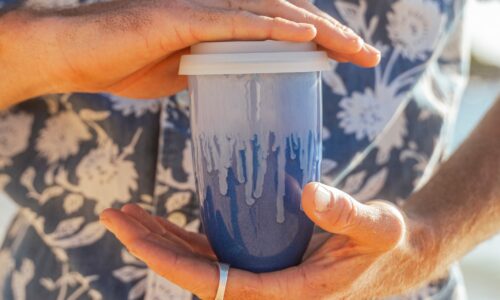
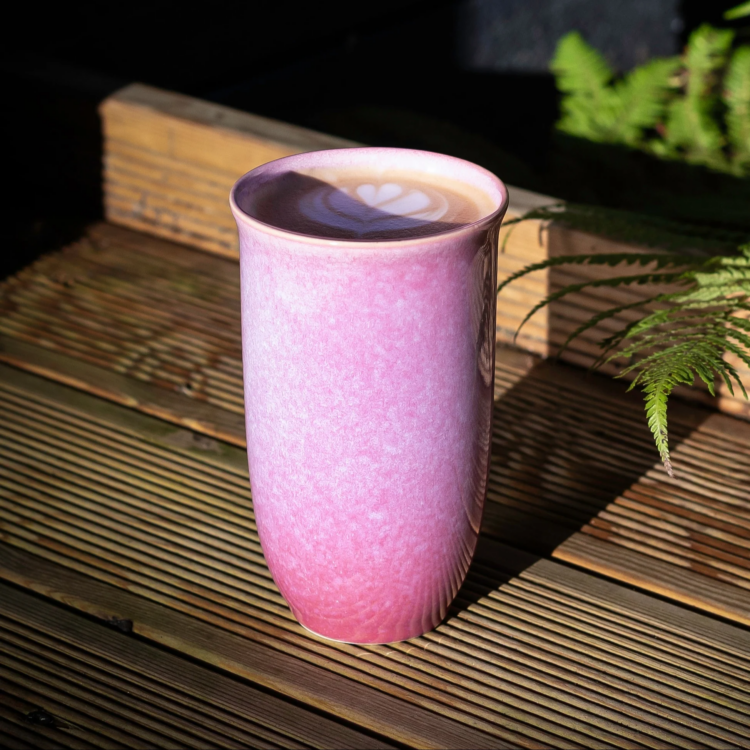
Hand-thrown ceramics like the ones from Nova Ceramics fall into the “gains value” category. Not financially (don’t try to trade mug futures), but emotionally. Over time, they stop being just “a mug” and start being “my mug,” which is a psychological shift you cannot manufacture. You can’t fast-track emotional attachment. You can’t two-day-ship sentimentality. It requires time, routine, and physical wear. That’s why they become companions.
Also, let’s be honest, drinking from handmade ceramic just feels better. The lip feel (yes, that’s a real term), the warmth, the texture—these micro sensations matter. Humans are tactile creatures. We pretend we’re all “digital-first,” but give us a warm cup with a matte glaze and watch us melt into mammals again.
So next time someone asks why you’re obsessed with a mug that cost more than your high school hoodie, just tell them it’s a slow object. It’s allowed to take up space in your life. It’s allowed to mean something. We are all sprinting through adulthood trying to find tiny pockets of calm, so if a piece of clay helps you remember you have a body, a ritual, and a morning that belongs to you, then honestly, that’s priceless. Also, try drinking from plastic—it tastes like regret.