If mugs could talk, we’d all be in therapy. Think about it: this one object witnesses you at your most unfiltered. Hair in a bun, pajamas from 2012, plotting revenge on people who send 7am meeting requests. It’s the first thing you touch in the morning besides your phone. It sits with you through existential crises, late-night work sessions, Sunday nostalgia, and midweek “I’m fine” delusions. A mug isn’t just an object, it’s a witness.
Imagine a ceramic mug narrating your life. It sees you before the mascara, before the “I’m thriving” Instagram stories, before the fake networking smiles. It sees you when you’re barely conscious, heating milk like a 90-year-old Italian grandmother because black coffee is “too aggressive today.” It sees you rehearse difficult conversations in your head that you will never actually have. It sees you scroll Zillow even though you can’t afford groceries. It sees everything.
This is why mugs end up being weirdly sentimental. We don’t mean for it to happen, but after a year of daily use, your mug becomes a character in your personal story. And not an extra. A recurring role. A comfort character. The kind that gets killed off in season five and the fandom revolts.
Here’s the emotional psychology behind it (because yes, there’s always psychology): humans attach meaning to repetitive interactions. It’s called associative memory. When you drink from the same mug every morning for months, your brain associates that object with safety, predictability, and the fragile hope that maybe you will survive another day in late-stage capitalism. Soon, you’re not just drinking from a mug. You’re drinking from a ritual.
And rituals matter. Not in a performative “hot girl wellness routine” way, but in a grounded, primal way. Rituals regulate nervous systems. They create tiny boundaries in chaotic schedules. They are time markers when time feels like a blur. Your mug is basically a soft ritual tool disguised as homeware.
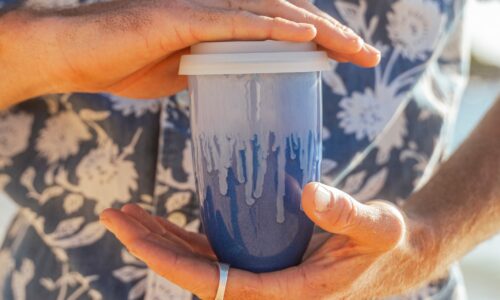
This is especially true for ceramics because the handmade factor adds soul. A handcrafted ceramic mug from Nova Ceramics has a personality—micro variations in glaze, subtle weight differences, imperfections that make it feel alive instead of mass-produced. When you hold something that a human actually made, your brain processes it differently than factory output. It feels warmer, even before the drink is warm.
That’s why when ceramic mugs break, people mourn them. I once saw a grown man try to “save” his broken mug with superglue like it was a wounded soldier on the battlefield. Spoiler: ceramic doesn’t like superglue, but the dedication was touching. And then there are people who keep broken mugs in cabinets like trophies. “This was my Paris winter mug,” they’ll say, showing a cracked handle like a war wound. We don’t keep broken IKEA plates. We keep broken handmade mugs. That tells you everything.
So yes, mugs are portrait objects. They are snapshots of who we were when we used them. The mug you used during grad school. The mug from the apartment you hated but survived. The mug you used during a breakup, drinking tea at 2am while questioning your life choices. The mug you bought at a craft market when you were feeling whimsical and financially irresponsible. These are all emotional time stamps disguised as drinkware.
In a weird way, mugs are more constant than most people. Friends move, jobs change, cities rotate, but the mug stays. Waiting on a shelf, ready to be filled with whatever identity crisis you’re sipping today. And maybe that’s why we like them. They hold space for us. Quietly. Without conditions. Without asking for anything except not being thrown in the dishwasher if they’re special (check the glaze notes).
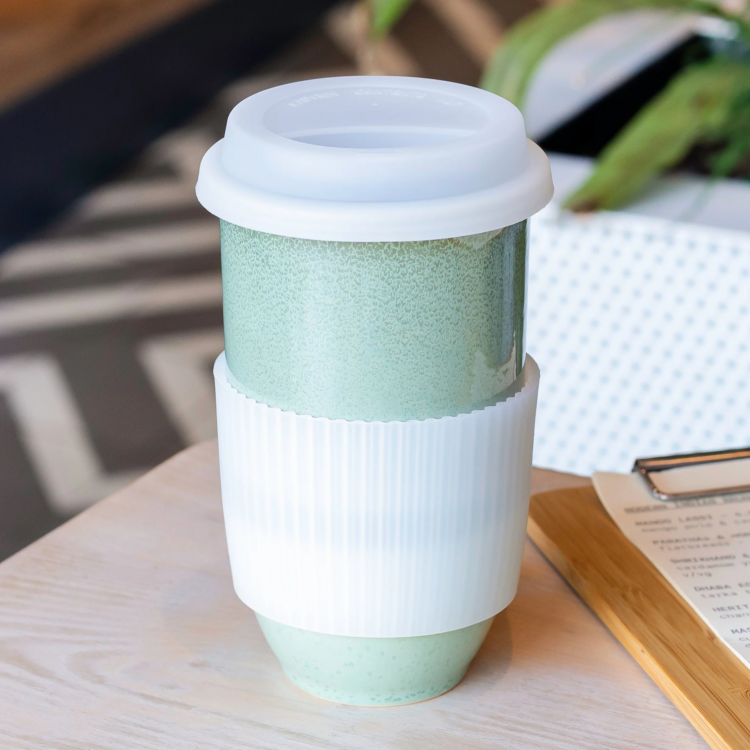
So next time you pick up your ceramic travel mug, just know it sees you. It has seen all your versions. The chaotic, the hopeful, the exhausted, the trying-again. And honestly, if an object can witness that without judgment, it deserves a little loyalty. Maybe that’s why we keep them so close.