Getting older should change the way a person approaches beauty. Not because aging is a problem that needs to be fixed, and certainly not because someone suddenly needs a bathroom cabinet full of products promising to turn back time. It should change because skin changes. Priorities change. What felt great at 25 might feel completely wrong at 45, and what once seemed like an unnecessary extra step can suddenly become the part of a routine that makes the biggest difference. The beauty industry has spent years convincing people that aging is something to fight, but maybe the more interesting approach is to pay attention instead. Skin tends to become less forgiving with age. It can feel drier, more sensitive, less resilient, and much more opinionated about what gets put on it. That calls for a different kind of beauty routine. Less about chasing perfection and more about knowing what the skin actually needs.
That shift can also mean reconsidering what “clean” beauty really looks like. Younger skin can sometimes tolerate a lot. More exfoliation, stronger ingredients, more experimentation, more of whatever happens to be trending that month. Later on, that same approach can leave skin feeling stripped rather than refreshed. For someone looking to simplify, a gentler routine built around cleansing, hydration and nourishment makes a lot more sense. MŌMOTARO APOTHECA’s philosophy fits naturally into that conversation, particularly its focus on plant-based, botanical ingredients and formulas designed with the skin’s natural balance in mind. Its MŌMOTARO SOAP, for example, takes the most basic part of a beauty routine—the humble bar of soap—and gives it a more considered role. MŌMOTARO SOAP The point isn’t to turn washing your face into a 12-step ceremony. Honestly, most people probably don’t need another complicated ritual. The point is to make the simple things count.
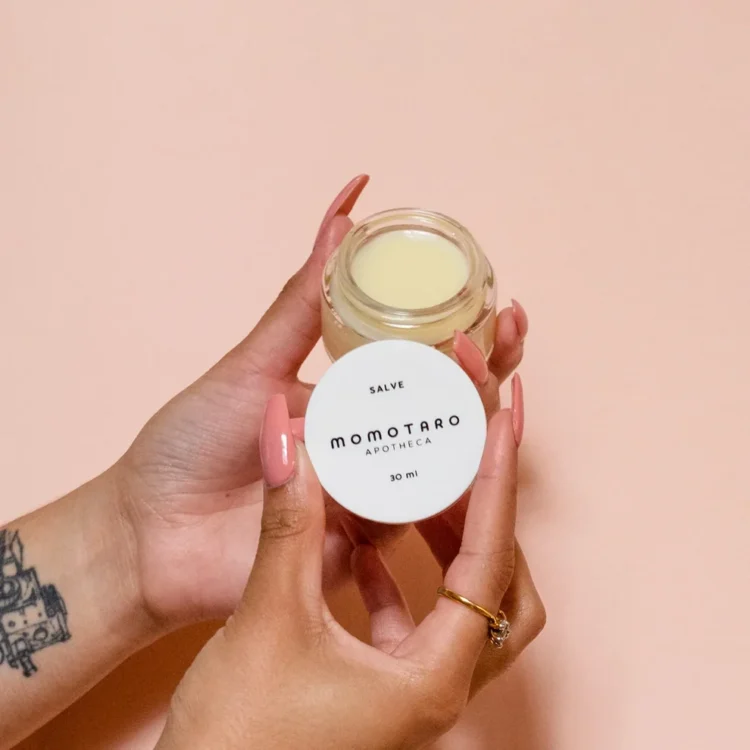
And aging can be a good excuse to get a little more selective. Instead of buying something because it claims to be the newest miracle, people can start asking better questions: Does this actually feel good on the skin? Is it helping or just doing a lot? Do I need three products doing roughly the same job? That kind of editing can be surprisingly liberating. A product like MŌMOTARO’s MŌMOTARO BALM fits into that more practical way of thinking because a balm can bring moisture and comfort to areas that tend to need extra attention, rather than adding another complicated treatment to the lineup. MŌMOTARO BALM The same thinking applies to the rest of the body, too. Hands, elbows, feet, lips—aging doesn’t politely stop at the jawline. A beauty routine that becomes more attentive with age should probably extend beyond the face.
The bigger change, though, may be psychological. At some point, constantly trying to look younger starts to feel like a full-time job nobody actually applied for. A better beauty routine can acknowledge age without making it the main event. Skin doesn’t need to look 22 to look healthy. It doesn’t need to be completely smooth to be beautiful. And a few lines around the eyes aren’t exactly a beauty emergency. The goal can simply become taking care of what is there, rather than waging war on what naturally happens next. That opens the door to products that feel comforting, uncomplicated and grounded in care rather than correction. MŌMOTARO APOTHECA’s approach to botanical skincare is one example of that broader shift: beauty as maintenance, ritual and nourishment, not punishment for having the audacity to get older.
Maybe that is the part of aging nobody talks about enough. The routine can actually get better. Not necessarily bigger, more expensive or more complicated—just smarter. A person learns what their skin likes, stops forcing it to cooperate with every beauty trend that comes along and starts paying attention to the little signals they used to ignore. Aging doesn’t have to mean giving up on beauty. It can mean getting much better at defining it. And frankly, after spending decades being told what they should look like, people have earned the right to decide what looking good means for themselves.