
For a long time, skincare conversations stopped at the hairline. Everything above it was treated as a separate category—managed with shampoos, scrubs, and treatments that followed an entirely different set of rules. The result is a strange contradiction: we treat our facial skin with caution, gentleness, and restraint, while subjecting our scalp to some of the harshest products in our routines.
And yet, the scalp is skin. In fact, it’s some of the most complex skin on the body.
The scalp has a high density of hair follicles and sebaceous glands, making it especially sensitive to imbalance. Dryness, itching, flaking, oiliness, even hair shedding are often framed as hair problems, when in reality they’re skin signals. Signals that something in the ecosystem is off.
That ecosystem is the skin microbiome.
The microbiome is the community of beneficial bacteria that lives on our skin, protecting it from inflammation, dehydration, and environmental stress. When it’s healthy, skin regulates itself. When it’s disrupted—by harsh surfactants, aggressive exfoliation, frequent product switching, or over-cleansing—skin struggles to find equilibrium. We understand this well when it comes to facial care. Barrier repair, gentle cleansing, and microbiome-friendly formulas have become foundational principles. But on the scalp, those same principles are often ignored.
Instead, scalp care is frequently reactive. A clarifying shampoo for oil. A scrub for flakes. A medicated treatment for irritation. Each product addresses a symptom, but rarely the underlying imbalance. Over time, this cycle can actually worsen the very issues it claims to fix, stripping the scalp of its natural defenses and forcing it into a constant state of recovery.
A more modern approach reframes scalp care not as a corrective measure, but as maintenance. The goal isn’t to dominate the scalp into submission—it’s to support it so it can function properly on its own.
This is where microbiome-conscious, multi-use formulations come into focus. Rather than treating scalp and skin as separate territories, this approach recognizes them as part of the same system, governed by the same rules: cleanse gently, exfoliate thoughtfully, and protect the barrier.
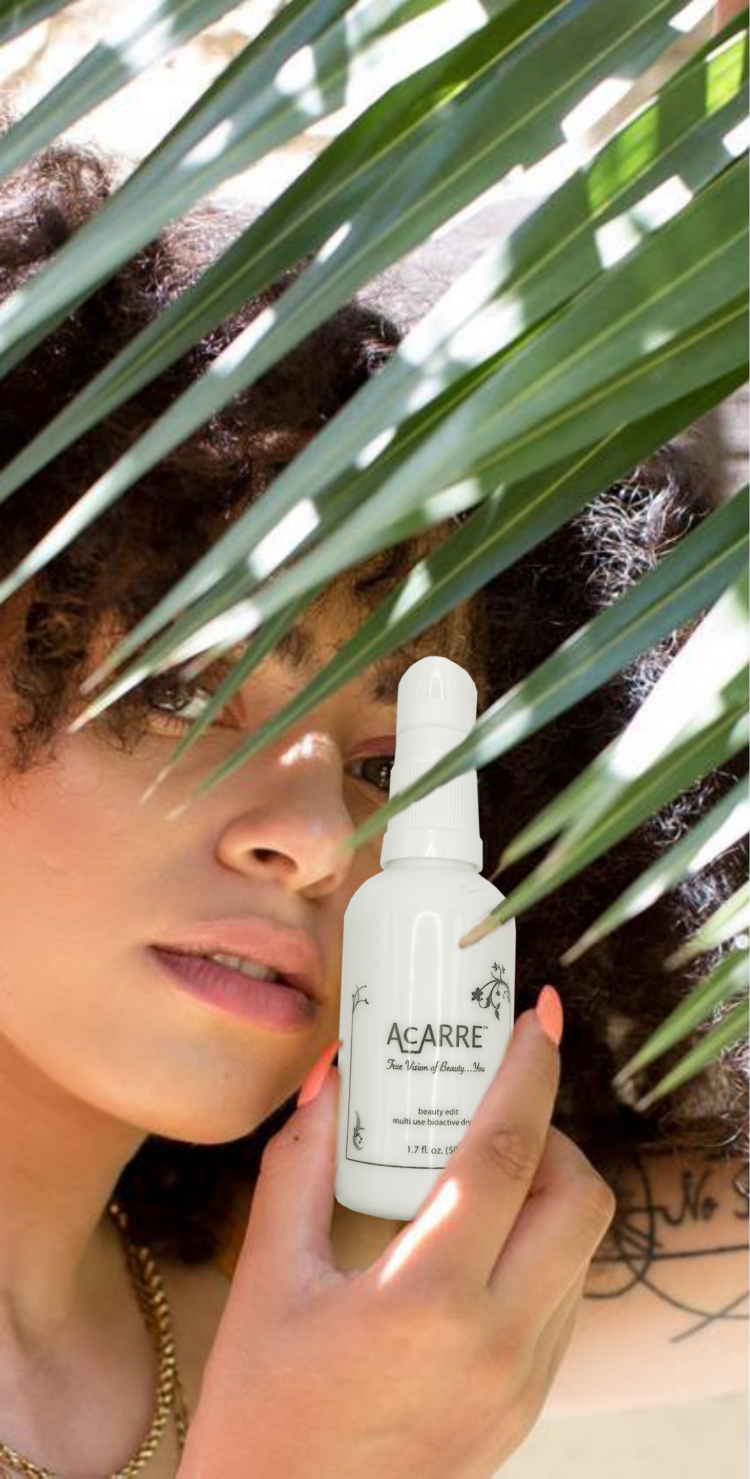
Brands like AcARRE are working within this framework, offering formulations designed to support both scalp and skin without overwhelming either. The emphasis isn’t on specialization for its own sake, but on versatility grounded in skin biology.
Cleansing is a good example of how this philosophy plays out in practice. Traditional exfoliants often rely on abrasive particles or strong detergents that can disrupt the microbiome in the pursuit of “clean.” Powder-based treatments, activated with water, take a gentler route. They allow for controlled exfoliation—effective enough to lift buildup, yet mild enough to preserve the skin barrier. Used on the scalp, they help reset without stripping. Used on the body, they maintain clarity without irritation.
Hydration follows the same logic. Oils have long been misunderstood in scalp care, often dismissed as too heavy or pore-clogging. In reality, lightweight, well-formulated oils can be some of the most effective tools for restoring balance. They replenish lipids essential to barrier health, helping both skin and scalp retain moisture and resilience. Applied to damp skin after showering, oils lock in hydration rather than sitting on the surface. Massaged into the scalp, they soothe dryness without triggering excess oil production.
What’s striking about this approach is how much it simplifies the routine. Instead of adding a separate lineup of scalp-specific products, it removes the artificial divide altogether. One cleanser. One oil. Multiple uses. Less disruption.
This simplification also encourages consistency, which is often the missing piece in skin health. Products that serve multiple purposes tend to be used more regularly and more intentionally. Over time, that consistency supports balance far more effectively than constant product rotation ever could.
Treating the scalp as skin isn’t about introducing another problem area to manage. It’s about recognizing that the same principles we rely on for healthy facial skin—gentleness, nourishment, respect for the microbiome—apply everywhere else too.
When balance becomes the goal rather than correction, the benefits extend beyond the scalp. Skin feels calmer. Hair behaves better. And routines begin to feel supportive instead of exhausting.
In the end, the microbiome makeover isn’t about doing more. It’s about doing less—more thoughtfully.