
For decades, the beauty industry has operated on a simple premise: more is better. More steps, more launches, more specialization. Skincare routines expanded from cleanser and moisturizer into elaborate systems that promised control over every conceivable concern. But somewhere along the way, abundance stopped feeling luxurious—and started feeling exhausting.
Today’s beauty consumer is more informed, more selective, and far less impressed by excess. What’s emerging in its place is a quieter, more intentional definition of luxury—one that values restraint, craftsmanship, and products that actually fit into real life.
This shift is not about minimalism for the sake of aesthetics. It’s about coherence. About choosing fewer products that do more, not because they claim to, but because they’re formulated with purpose rather than novelty in mind.
Multi-use beauty products sit at the center of this evolution. Once dismissed as compromises or travel-friendly shortcuts, they are now being reexamined as thoughtful solutions to an industry that has overcomplicated care. The assumption that effectiveness requires specialization is being challenged by a new understanding: that well-designed formulas can meet multiple needs without sacrificing integrity.
This change is as cultural as it is cosmetic. Consumers are questioning not only what they put on their skin, but how those choices align with their values. Sustainability, ethical sourcing, and reduced waste are no longer fringe considerations—they are baseline expectations. A product that replaces three others doesn’t just save time; it reduces packaging, consumption, and the constant cycle of buying and discarding.
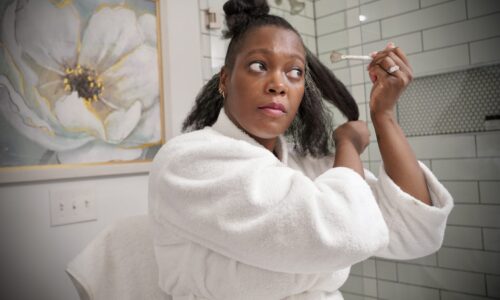
But multi-use beauty isn’t only about environmental responsibility. It’s about mental clarity. A streamlined routine removes decision fatigue. It replaces the pressure to “keep up” with a sense of confidence in what you already own. When a product earns its place by being reliable across contexts—skin, scalp, body—it becomes less about experimentation and more about trust.
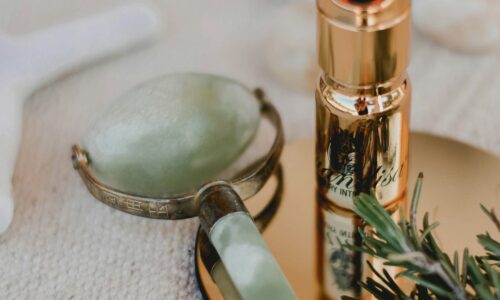
Brands like AcARRE operate within this philosophy of restraint. Their approach isn’t built around launching something new for every problem, but around creating foundational formulas that adapt to the user rather than dictating behavior. A treatment oil that supports face, body, and scalp isn’t framed as a shortcut—it’s framed as a complete solution. A powder that cleanses, exfoliates, and refreshes becomes an anchor, not an accessory.
This mindset reframes value in a meaningful way. Instead of measuring worth by quantity or claims, value is measured by longevity and relevance. How often is the product used? How seamlessly does it integrate into daily life? Does it support the skin without demanding constant adjustment?
There’s also an emotional dimension to this shift. Multi-use products encourage familiarity. Using the same oil across different parts of the body creates continuity. It builds ritual rather than fragmentation. The product becomes part of a rhythm, not a rotating cast of characters competing for attention.
In contrast, hyper-specialized routines often lead to overuse, irritation, and confusion. When every concern is treated in isolation, the skin loses its ability to self-regulate. Multi-use formulations, when designed thoughtfully, support balance rather than intervention. They work with the body’s systems instead of overriding them.
Modern luxury, in this sense, is not loud. It doesn’t rely on bold claims or dramatic transformations. It’s subtle, reliable, and deeply considered. It respects the intelligence of the consumer and the complexity of the skin.
Choosing fewer products isn’t about deprivation. It’s about discernment. It’s about recognizing that care doesn’t need to be excessive to be effective—and that beauty, at its best, should simplify rather than complicate.
In an industry built on constant novelty, opting for products that endure is a radical act. One that signals a shift away from consumption toward intention. Away from performance toward maintenance.
And perhaps that’s the new luxury after all: beauty without compromise, built to last, designed to fit real lives—not imaginary routines.