Tattoos and piercings used to signal rebellion. Now they signal mainstream participation, Instagram-worthy ink displayed across millions of feeds, piercings accumulated and curated like any other aesthetic choice. But permanent jewelry exists in a strange middle space—not quite tattoo, not quite traditional jewelry, somewhere between commitment and flexibility that reveals something interesting about how we think about connection in an age when nothing feels guaranteed.
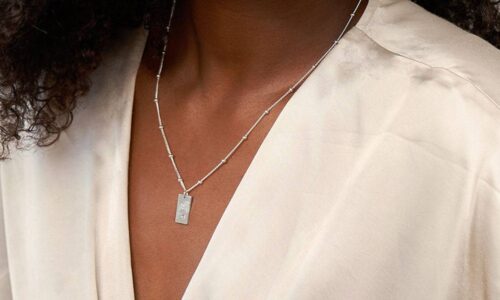
Consider the Blossom Birth Flower and Stone Necklace from Theo & Grace. It’s not tattooed on you, but it might represent someone so important that the thought of not wearing it feels almost like a betrayal. This is commitment that operates through choice rather than permanence, which might actually require more integrity. Anyone can get a name tattooed and then cover it up or learn to ignore it, but choosing every single day to put on a necklace, to clasp it around your neck, to carry that person’s symbol against your skin—that’s active devotion rather than past-tense decision.
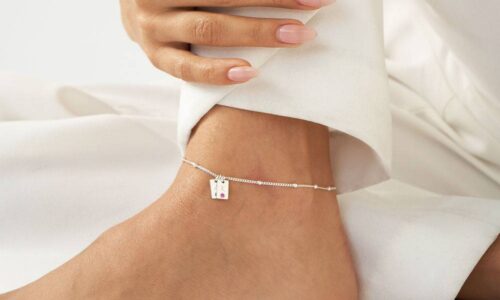
The Initial Birthstone Tag Anklet functions this way too, especially when it represents a relationship that could change or end. Choosing daily to wear someone’s initial is different from having it inked permanently. It’s an ongoing referendum on the relationship, a repeated decision rather than one-time declaration. This makes people nervous because it acknowledges a truth we prefer to avoid: relationships are contingent, people change, what feels permanent today might feel impossible tomorrow.
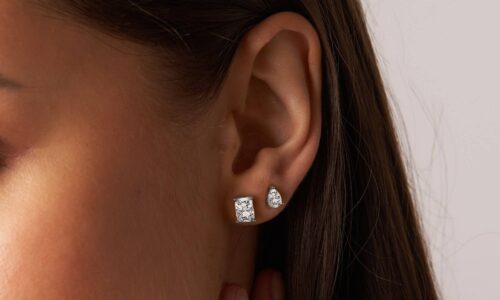
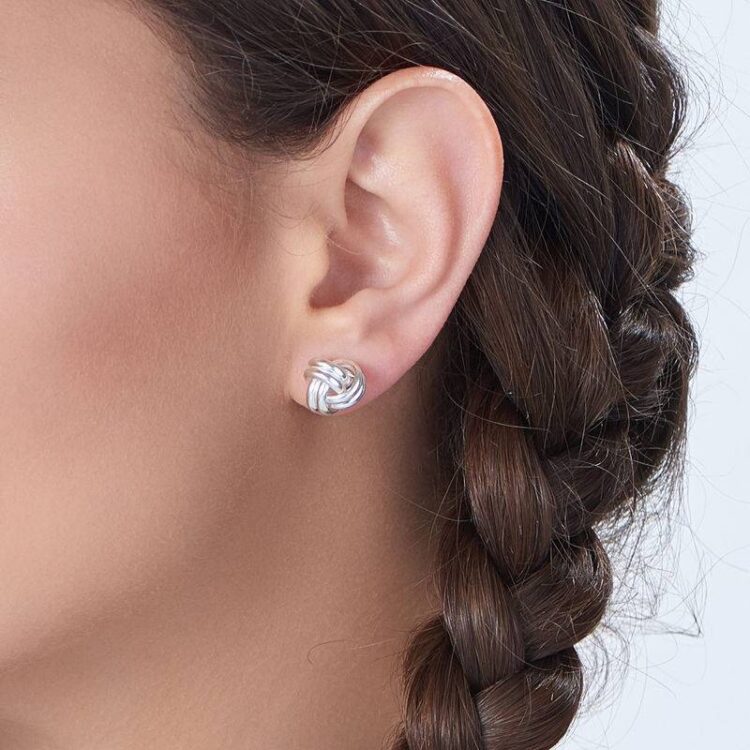
There’s something modern and uncomfortable about this honesty. The Love Knot Earrings might represent a partnership or friendship or family bond, but the fact that you can take them off means you’re choosing not to. Every morning you put them on is a small vote of confidence in the relationship they represent. This is commitment reformed for people who’ve watched relationships fail despite good intentions, who understand that love and connection are active verbs requiring constant choice rather than one-time permanent decisions.
Traditional heirloom jewelry avoided this question entirely by arriving after death, when the relationship was fixed in memory rather than still evolving in reality. Your grandmother’s ring came to you representing a completed life, a finished story. But contemporary personalized jewelry from brands like Theo & Grace confronts evolution directly, asking us to mark ourselves with people who are still capable of hurting us or leaving us or growing into strangers despite shared history.
The Aurora Birthstone Huggies represent someone’s birth month, but months keep coming around, years keep passing, and the person represented by October opal might become someone you can’t forgive or someone who can’t forgive you or simply someone you don’t know anymore despite shared DNA or history. The huggies can come off. This isn’t cynicism—it’s honesty about how relationships actually work, about how time changes people in ways we can’t predict or control.
The Lorelai Rectangle Stud Earrings offer a different approach: accumulation rather than replacement. Their simple design makes them stackable, collectible, suggesting the possibility of adding rather than choosing. You can build a collection that represents multiple people and phases rather than gambling everything on one permanent mark. This is commitment that acknowledges complexity, that understands identity as something built from many relationships rather than defined by one.
This accumulation model reflects how we actually live now, collecting experiences and relationships and identities rather than committing to one fixed self. The person who hurt you doesn’t erase the person who helped you, the relationship that ended doesn’t invalidate the one that’s beginning. You can wear them all, layered and complicated and honest about the fact that you contain multitudes, that your story includes chapters you wish you could delete and chapters you’re still writing.
The Initial Birthstone Tag Anklet on the ankle—that weight-bearing joint—reminds us we’re still walking forward, still moving through life even as we carry these markers of connection. Identity isn’t fixed but evolving. Who we choose to mark ourselves with today might shift tomorrow, and that’s not failure. That’s honest engagement with how humans actually relate to each other across time.
What permanent marks like tattoos promise is certainty: this will always mean something, this person will always matter, this relationship will always define me. What removable jewelry like Theo & Grace pieces acknowledges is uncertainty: this means something now, this person matters today, this relationship is defining me currently, and I’m choosing to honor that reality rather than pretend I can predict the future.
This is why removable jewelry might actually be more courageous than permanent marks. It requires daily choice instead of one-time commitment. It acknowledges that relationships require maintenance, that connection is something we build rather than something we declare and forget. It’s honest about the fact that we change, people change, circumstances change, and marking ourselves permanently with things that might become painful or irrelevant or simply wrong is maybe not wisdom but wishful thinking.
The real question isn’t whether we’re willing to permanently mark ourselves—it’s whether we’re willing to choose, again and again, to wear what matters even when nothing forces us to. That’s commitment without the safety net of permanence, devotion without the excuse of inevitability. It’s choosing your people and your values every single day, not because you can’t remove the markers, but precisely because you can and you’re choosing not to.