Raise your hand if you’ve ever taken a sip of coffee out of a stainless steel travel mug and immediately tasted… weird metal. Or hot aluminum. Or whatever chemical flavor that is. I don’t know who needs to hear this, but drinking coffee out of metal tastes like licking the inside of a Tesla. And yet millions of people do it daily because “it keeps my drink hot for 17 hours.” Okay, but why do you need 17 hours? Are you hiking the Pacific Crest Trail between emails? Be serious.
Coffee nerds will tell you the mug matters almost as much as the beans. They’re right. The material affects flavor, temperature, aroma, and overall vibe. There’s actual chemistry behind this, not just ceramic snobbery (although snobbery is also valid). So let’s break it down without turning it into a dissertation no one asked for.
First: temperature. Ceramic is a poor heat conductor, which is great news for your drink. It doesn’t steal heat from your coffee the way glass or metal does. When you pre-warm a ceramic mug (just run hot water in it for a few seconds), it retains heat surprisingly well. And no, it does not need a battery or Bluetooth. It’s just physics, baby. Clay’s natural insulating properties mean your coffee stays warm without becoming molten lava that scorches your tongue into oblivion.
Second: flavor. Metal mugs are chemically inert-ish, but they still give a faint taste, especially with acids (coffee is acidic). Plastic mugs are worse because they can leach microflavors (and microplastics—yay modernity). Paper cups are coated with polyethylene, which can subtly mess with aroma. Ceramic, especially stoneware like Nova Ceramics uses, is glazed and vitrified at high temperatures, meaning it’s basically a flavor-neutral fortress. Coffee tastes like coffee. Tea tastes like tea. Hot chocolate tastes like childhood trauma minus the trauma. No interference.
Third: aroma. This is the part people underestimate. Smell plays a huge role in taste, and ceramic mugs expose the aroma because they have wide openings. Stainless steel travel tumblers trap smell inside like a tiny gas chamber, and when you finally open the lid you get a concentrated whiff of caffeinated death. With ceramics, the aromatics actually hit your nose as you drink, which is literally how sensory enjoyment works. You’re welcome.
Fourth: touch. Yes, touch is science too. The tactile experience of holding something warm and textured activates the parasympathetic nervous system. That’s the “rest and digest” mode, not the “fight or flight because work email” mode. Clay is grounding because it’s natural. Your brain knows the difference. This is why ceramic mugs are a regulation tool disguised as a beverage container.
Fifth: lip feel. This sounds like a made-up coffee snob phrase, but it’s real. The thickness and curve of the mug rim affects how liquid hits your tongue. A well-thrown ceramic rim is smooth and slightly tapered, creating what I call “sip satisfaction.” Metal rims are thin and sharp, like drinking from a weapons-grade flask. Paper cups collapse. Plastic tastes like sadness. Choose wisely.
Now let’s talk glaze. Glaze is glass melted onto clay. It seals the surface, makes it non-porous, and gives color, texture, and subtle imperfections that ceramic lovers drool over. The coolest part: glaze chemistry is chaotic. You never know exactly how minerals will react in the kiln. It’s like baking but with fire and existential stakes. When you drink from a ceramic mug, you’re literally holding geology and chemistry in your hands.
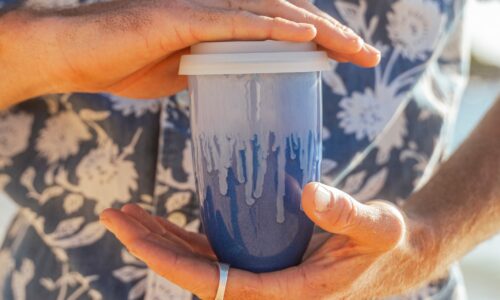
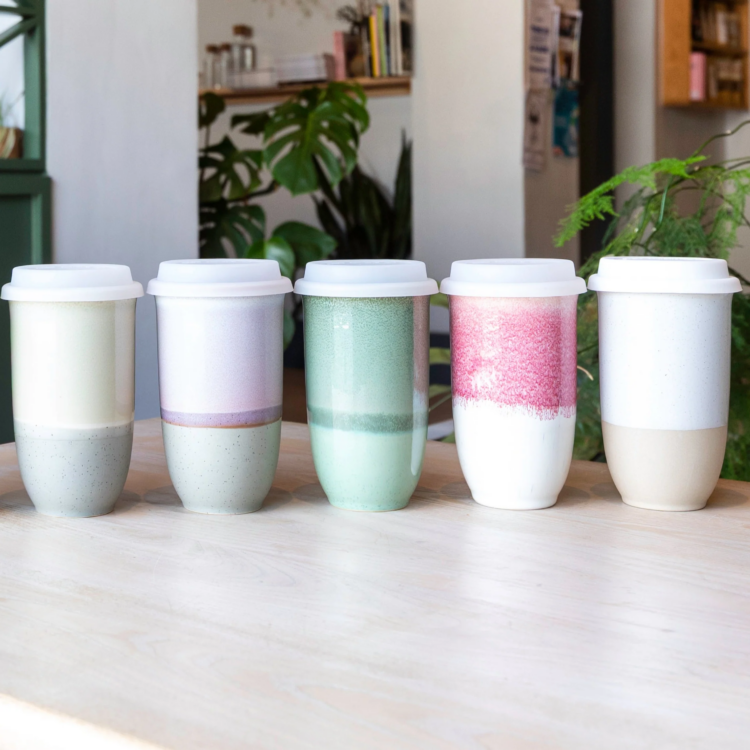
And because I am also petty, let me add that a well-made ceramic travel mug like the ones from Nova Ceramics solves the “ceramic is fragile” argument by adding a silicone sleeve and lid so you can be a tactile queen on the go. Will it survive being launched off a cliff? Probably not. But neither will your mental health, and we’re all still here doing our best.
So yes, there is real science behind why coffee tastes better in ceramic. It’s material chemistry, sensory psychology, and a little bit of romance. And honestly, if something makes your morning better without subscription fees, push notifications, or needing to “optimize your workflow,” that’s already a scientific miracle. Drink from ceramic. Live longer. Or at least live better.